
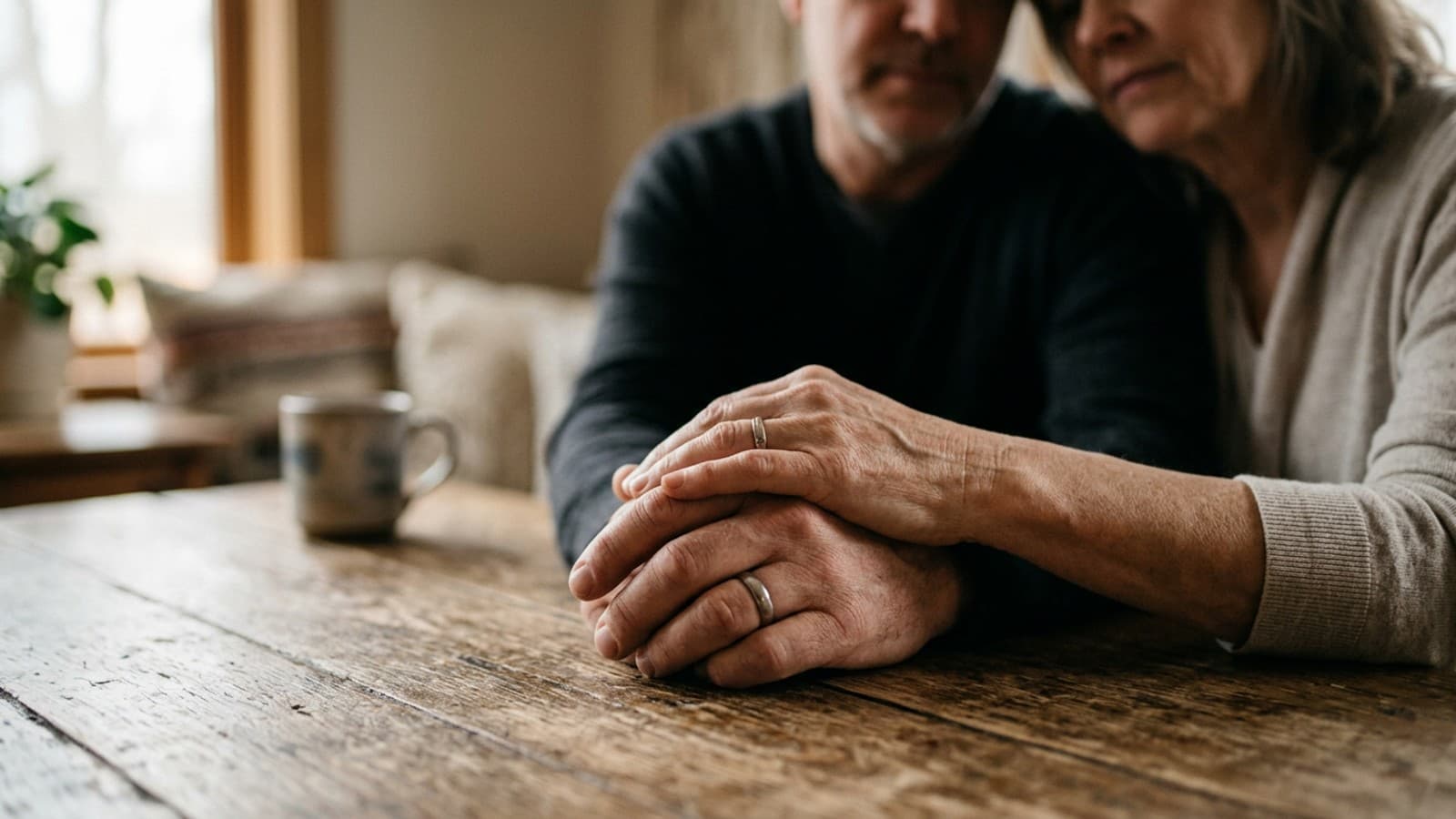
A recent meta-analysis of couple therapy research found that couples who receive professional intervention show large, meaningful improvements compared to those who don't seek help—with an effect size of 0.85, indicating substantial positive change in relationship satisfaction and adjustment (Joseph et al., 2025). The evidence is clear: marriage counseling works. But for couples in Virginia, the question isn't just whether therapy helps—it's where to find qualified therapists who can provide the evidence-based care your relationship deserves.
Virginia couples have more options than ever before. You can meet with a licensed marriage therapist face-to-face at offices in Northern Virginia, or access the same high-quality couples therapy online from anywhere in the state. Understanding what's available, which approaches have research support, and how to choose the right fit for your relationship can make the difference between finding help that genuinely transforms your marriage and settling for generic advice that doesn't address what's actually keeping you stuck.
What Types of Marriage Counseling Are Available in Virginia?
Marriage counseling in Virginia spans several evidence-based approaches, each with research demonstrating effectiveness for different relationship challenges. The most widely practiced and empirically supported methods include the Gottman Method, Emotionally Focused Therapy (EFT), and Cognitive-Behavioral Couple Therapy.
The Gottman Method is based on more than 40 years of research with thousands of couples. This approach focuses on building friendship and intimacy, managing conflict constructively, and creating shared meaning in your relationship. Research shows the Gottman Method produces significant improvements in marital adjustment and intimacy, with effects that persist long after therapy ends (Davoodvandi et al., 2018). Many therapists in Virginia, particularly in the Northern Virginia area, have completed advanced training in the Gottman Method and use its structured assessments and interventions to help couples rebuild connection.
Emotionally Focused Therapy (EFT) emphasizes the emotional bonds between partners and helps couples understand the attachment patterns driving their conflicts. EFT has strong research support for reducing relationship distress and is particularly effective for couples struggling with emotional disconnection or recurring negative interaction patterns.
Cognitive-Behavioral approaches help couples identify and change destructive thought patterns and behaviors, teaching specific communication and conflict-resolution skills. These methods are especially helpful when couples need practical tools for managing everyday disagreements and breaking entrenched negative cycles.
Virginia therapists may also integrate other approaches depending on your specific needs—such as Imago Relationship Therapy, Solution-Focused Therapy, or faith-based counseling that incorporates Christian principles for couples who request it.
How Do I Know Which Approach Is Right for My Relationship?
The best approach depends on what's bringing you to therapy. If you're dealing with frequent conflict, poor communication, or a sense that you've become roommates rather than romantic partners, the Gottman Method's structured focus on rebuilding friendship and managing conflict may be a strong fit. If you're struggling with trust after infidelity, emotional withdrawal, or feeling disconnected, an approach like EFT that targets emotional bonds and attachment wounds might address your needs more directly.
Most importantly, the therapist's training, experience, and ability to create safety for both partners matter as much as the specific model they use. When you contact a therapist, ask about their training in evidence-based approaches, their experience working with couples facing challenges similar to yours, and how they structure their sessions. A skilled couples therapist will help you understand their approach and why they believe it's suited to what you're facing.
Where Can I Find Marriage Counseling in Northern Virginia?
Northern Virginia has a concentration of experienced couples therapists, particularly in areas like Gainesville, Alexandria, Fairfax, Arlington, Manassas, and Springfield. Many practices in this region offer both in-person sessions and virtual options, giving you flexibility in how you access care.
When choosing a therapist in Northern Virginia, look for licensed professionals with specialized training in couples work. Credentials like LMFT (Licensed Marriage and Family Therapist), LCSW (Licensed Clinical Social Worker), or LPC (Licensed Professional Counselor) indicate graduate-level training and supervised clinical experience. Beyond licensure, ask whether the therapist has completed post-graduate training in a specific couples therapy model—this specialized training is what equips therapists to handle the complex dynamics unique to relationship therapy.
Marriage Healing Center serves couples across Northern Virginia from two office locations—one in Gainesville and one in Alexandria. Both offices offer access to therapists trained in the Gottman Method, Emotionally Focused Therapy, and other evidence-based approaches, with clinicians who specialize in helping couples navigate communication challenges, affair recovery, emotional disconnection, and other relationship distress.
What If I Don't Live Near Gainesville or Alexandria?
Geography no longer limits access to quality marriage counseling. Virginia couples who live outside Northern Virginia—or who prefer the convenience and privacy of meeting from home—can access the same evidence-based therapy through secure, HIPAA-compliant online sessions.
Online couples therapy, also called telehealth or e-therapy, uses video conferencing to connect you with a licensed Virginia therapist from anywhere in the state. Research shows that virtual couples therapy produces outcomes comparable to in-person sessions, and many couples find that meeting from home eliminates travel time, reduces scheduling barriers, and creates a comfortable environment for difficult conversations.
To participate in online therapy in Virginia, you need a private space with a reliable internet connection, a device with video capability (computer, tablet, or smartphone), and both partners willing to engage in the process together. Your therapist will use a secure, encrypted platform that meets federal privacy standards to protect your confidentiality.
Marriage Healing Center offers online e-therapy to couples throughout Virginia, ensuring that no matter where you live in the state—Richmond, Virginia Beach, Roanoke, Charlottesville, or rural areas far from major cities—you can work with experienced therapists trained in proven approaches to relationship repair and growth.
How Do I Choose Between In-Person and Online Marriage Counseling?
Both in-person and online therapy offer meaningful benefits, and the right choice depends on your circumstances and preferences.
In-person therapy provides face-to-face connection, which some couples prefer when working through emotionally charged issues. Being in the same physical space as your therapist can create a sense of safety and presence that feels important, especially early in therapy when trust is still building. In-person sessions also eliminate concerns about technology glitches or internet connectivity disrupting the flow of a difficult conversation.
Online therapy offers convenience, accessibility, and flexibility. You can schedule sessions that fit demanding work schedules without accounting for drive time. Couples in rural areas or those with transportation challenges can access experienced therapists they might not otherwise reach. And for some couples, the privacy of participating from home reduces the anxiety of sitting in a waiting room or being seen entering a therapist's office.
Many couples start with one format and later switch to the other as their needs change. A couple might begin with in-person sessions to establish a strong therapeutic relationship, then shift to online sessions when work travel or childcare logistics make in-person meetings difficult. Others begin online and transition to in-person if they feel they'd benefit from the face-to-face dynamic. A good therapist will work with you to find the format that serves your relationship best.
What Should I Expect in a First Marriage Counseling Session?
Your first session is an assessment. The therapist will want to understand what's bringing you to therapy, what you've already tried, what your goals are, and what patterns have developed in your relationship. You'll each have a chance to share your perspective, and your therapist will begin identifying the dynamics contributing to your distress.
In evidence-based approaches like the Gottman Method, your therapist may also ask you to complete questionnaires before or after the first session. These assessments measure relationship satisfaction, communication patterns, areas of conflict, and emotional connection, giving your therapist a detailed picture of your relationship's strengths and vulnerabilities.
Most couples therapists structure the first one to three sessions as an evaluation phase. During this time, your therapist gathers information, observes how you interact, and develops a treatment plan tailored to your specific challenges. By the end of the evaluation, you should have a clear sense of what your therapist sees as the core issues, what approach they recommend, and what the therapy process will look like going forward.
How Long Does Marriage Counseling Usually Take?
The length of therapy varies widely depending on what you're working on and how entrenched the patterns are. Some couples see meaningful improvement within a few months of weekly sessions. Others—particularly those working through complex issues like affair recovery, long-standing resentment, or severe communication breakdowns—may benefit from several months to a year of consistent work.
Research shows that couples who complete a full course of therapy, rather than stopping after a few sessions when immediate crisis subsides, experience more lasting change. Your therapist will check in regularly about progress and adjust the treatment plan as needed. Some couples transition to less frequent sessions (biweekly or monthly) as their relationship stabilizes, using therapy as ongoing support rather than intensive intervention.
Intensive couples therapy is another option for couples who need concentrated help in a short timeframe. These sessions last four to six hours and can deliver the equivalent of several weeks of traditional weekly therapy in a single day, making them especially helpful for couples in crisis, those dealing with infidelity, or partners who can't commit to weekly sessions due to scheduling constraints.
What Issues Can Marriage Counseling in Virginia Address?
Marriage counseling is effective for a wide range of relationship challenges:
- Communication problems: Frequent misunderstandings, arguments that go nowhere, or difficulty expressing needs without triggering defensiveness
- Emotional disconnection: Feeling like roommates, loss of intimacy, or a sense that you no longer know each other
- Infidelity and trust issues: Rebuilding after an affair, addressing betrayal, or healing from broken trust
- Conflict patterns: Criticism, contempt, defensiveness, or stonewalling that make resolution impossible
- Life transitions: Adjusting to parenthood, empty nest, retirement, relocation, or other major changes
- Sexual intimacy concerns: Mismatched desire, unresolved conflict affecting physical connection, or difficulty discussing sex openly
- Premarital preparation: Building a strong foundation before marriage, exploring expectations, and learning skills to navigate challenges ahead
- Discernment counseling: Deciding whether to commit to rebuilding the marriage, move toward divorce, or take time before deciding
A skilled couples therapist helps you understand the patterns driving these challenges, teaches skills to manage them differently, and guides you toward rebuilding the connection and trust that brought you together in the first place.
Is Marriage Counseling Covered by Insurance in Virginia?
Insurance coverage for couples therapy is limited. Most insurance plans cover individual mental health services but do not reimburse for relationship or marital counseling unless a diagnosed mental health condition is being treated. Some therapists can bill under one partner's individual coverage if that person has a diagnosable condition like depression or anxiety that's being addressed within the couples work, but this approach has limitations and may not fully capture the relational focus of the therapy.
Many couples in Virginia pay out-of-pocket for marriage counseling, viewing it as an investment in their relationship's health and longevity. Session fees typically range from $150 to $250 per session depending on the therapist's training, experience, and location. Some therapists offer a sliding scale based on income, and some accept Health Savings Account (HSA) or Flexible Spending Account (FSA) funds.
If cost is a barrier, ask potential therapists during your initial contact whether they offer reduced fees, payment plans, or can provide a superbill (detailed receipt) you can submit to your insurance for potential out-of-network reimbursement. Even partial reimbursement can make ongoing therapy more financially accessible.
How Do I Get Started with Marriage Counseling in Virginia?
The first step is reaching out. Many couples wait months or even years after recognizing problems before contacting a therapist, and by that time, patterns have deepened and hope has eroded. Starting therapy earlier—when you first notice recurring conflicts, emotional distance, or a sense that something fundamental has shifted—gives you the best chance of rebuilding your relationship before resentment becomes entrenched.
If you're in Northern Virginia, you can schedule in-person couples therapy at our Gainesville or Alexandria offices. If you're anywhere else in Virginia, online e-therapy offers the same evidence-based approaches from the privacy and convenience of your own home. Either way, you'll work with licensed therapists trained in proven methods like the Gottman Method, Emotionally Focused Therapy, and other approaches designed to help couples heal, reconnect, and build the relationship you both want.
Marriage Healing Center serves couples throughout Virginia—in person in Gainesville and Alexandria, or online anywhere in the state. Reach out through our counseling request page to schedule a consultation and take the first step toward rebuilding connection, trust, and partnership in your marriage.
References
Davoodvandi, M., Navabi Nejad, S., & Farzad, V. (2018). Examining the effectiveness of Gottman couple therapy on improving marital adjustment and couples' intimacy. Iranian Journal of Psychiatry, 13(2), 135–141. https://pmc.ncbi.nlm.nih.gov/articles/PMC6037577/
Joseph, B., Joseph, V. K., & Rajan, S. K. (2025). Effectiveness of couple interventions in marital distress: A systematic review and meta-analysis. Iran J Public Health, 54(1), 112–123. https://pubmed.ncbi.nlm.nih.gov/39902350/